Auto Electrical & Battery Repair in Tampa, FL
Professional Automotive Electrical Diagnostics & Repair
Modern vehicles rely on complex electrical systems to start the engine, operate accessories, communicate between computers, control safety systems, and keep virtually every major component functioning properly.
When a vehicle won't start, the battery keeps going dead, warning lights appear on the dashboard, electrical components stop working, or an intermittent electrical problem develops, replacing parts without properly diagnosing the problem can become expensive very quickly.
At David’s Complete Auto Repair, we diagnose automotive electrical problems using professional diagnostic equipment, electrical testing, battery and charging-system testing, circuit testing, wiring inspection, voltage-drop testing, and vehicle-specific diagnostic information.
From a weak battery or failed alternator to difficult-to-find electrical problems, parasitic battery drains, starting problems, wiring faults, and communication issues between vehicle modules, our technicians can help determine what is actually causing the problem.
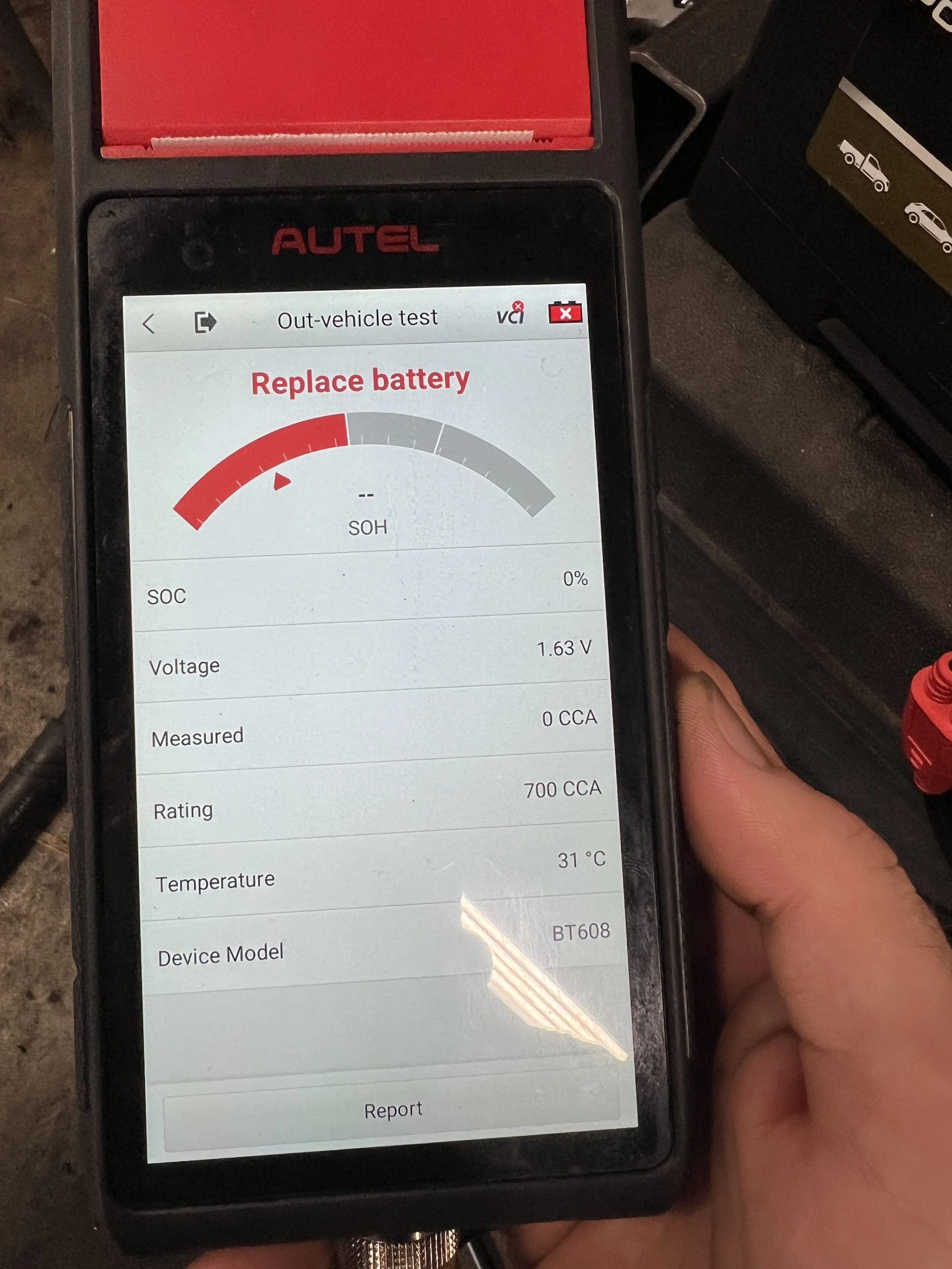
Complete Auto Electrical & Battery Services
We diagnose and repair a wide range of automotive electrical systems, including:
Battery testing
Battery replacement
Battery registration and programming when required
Battery terminal and cable repair
Battery drain diagnosis
Parasitic draw testing
Starting system diagnosis
Starter testing and replacement
Alternator testing and replacement
Charging system diagnosis
Charging system repairs
Electrical wiring diagnosis
Wiring repairs
Voltage-drop testing
Fuse and relay diagnosis
Electrical connector inspection
Ground circuit testing
Power supply diagnosis
Check engine light diagnostics
ABS electrical diagnostics
Airbag/SRS electrical diagnostics
Body control module diagnostics
Computer/module communication diagnosis
CAN bus diagnostics
Sensor and actuator electrical diagnosis
Lighting system diagnosis
Headlight and taillight electrical repairs
Power window diagnosis
Power lock diagnosis
HVAC electrical diagnosis
Blower motor electrical diagnosis
A/C electrical diagnosis
Fuel system electrical diagnosis
Ignition system diagnosis
Starting and no-start diagnostics
Intermittent electrical fault diagnosis
Your Vehicle's Electrical System Is More Than the Battery
The battery is one of the most visible parts of a vehicle's electrical system, but it is only one component.
A modern vehicle can contain dozens of electronic control modules and miles of wiring connecting sensors, switches, motors, computers, and other electrical components.
A typical vehicle electrical system can include:
Battery
Alternator
Starter
Battery cables
Grounds
Fuses
Relays
Wiring harnesses
Sensors
Actuators
Control modules
Body control modules
Engine control modules
Transmission control modules
ABS modules
Airbag modules
HVAC modules
Communication networks
Ignition components
Lighting systems
A problem anywhere in the system can create symptoms that may initially appear unrelated.
That's why electrical diagnosis requires more than simply checking whether the battery has voltage.
Battery Testing & Replacement
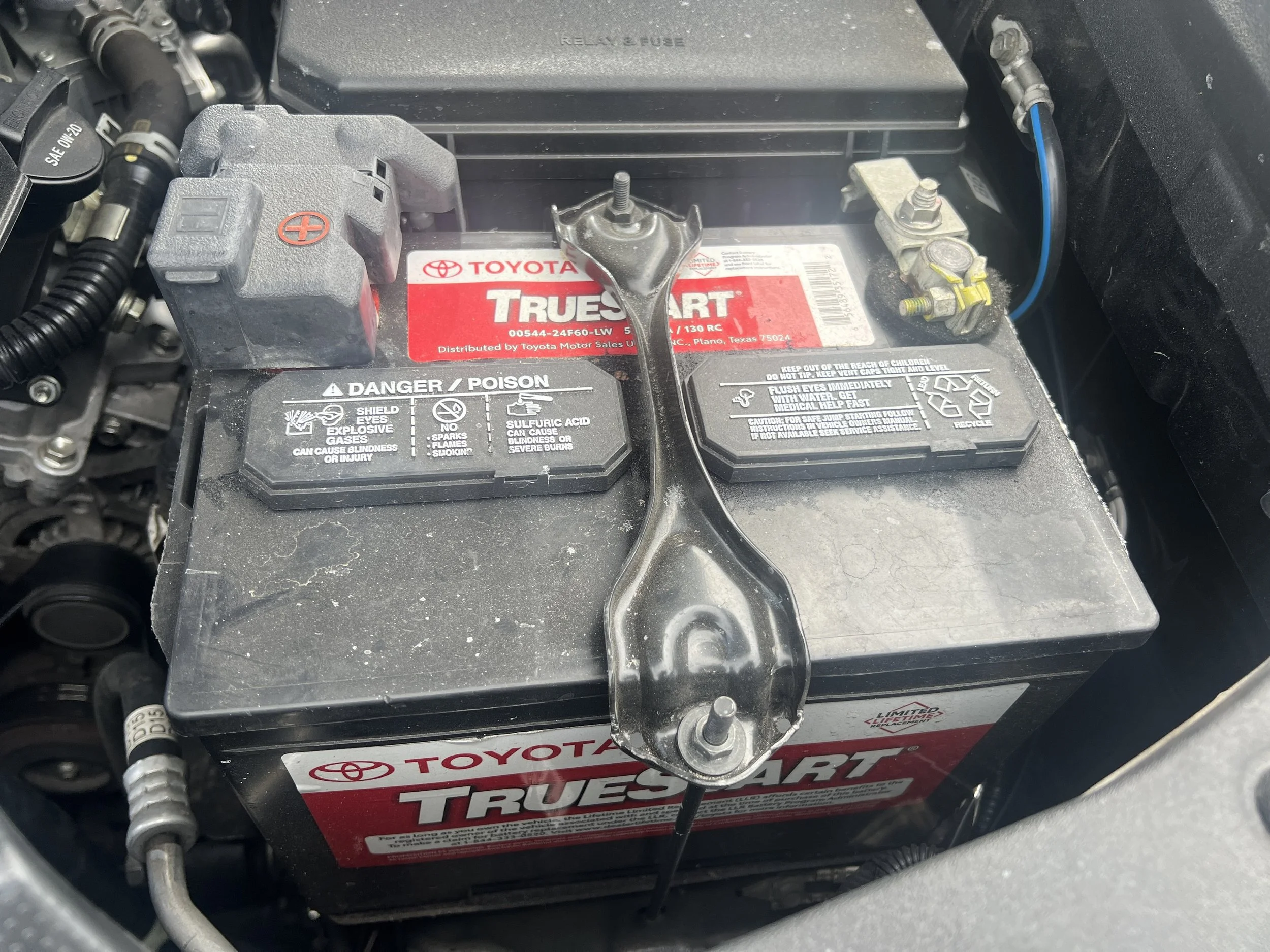
The battery provides the electrical power necessary to start the vehicle and supports the electrical system when the engine isn't running.
A battery can have adequate voltage and still be incapable of delivering the current required to start the engine.
That's why proper battery testing is important.
We can evaluate factors such as:
Battery voltage
Starting performance
Available cranking capacity
Battery condition
Charging voltage
Battery terminals
Cable connections
Ground connections
If the battery is failing, we can determine whether replacement is necessary and check the rest of the starting and charging system to make sure another problem isn't responsible for the failure.
Why Your Battery Keeps Dying
A battery that repeatedly goes dead doesn't necessarily mean you need another battery.
Possible causes include:
Weak or failing battery
Alternator not charging properly
Parasitic electrical draw
Poor battery connection
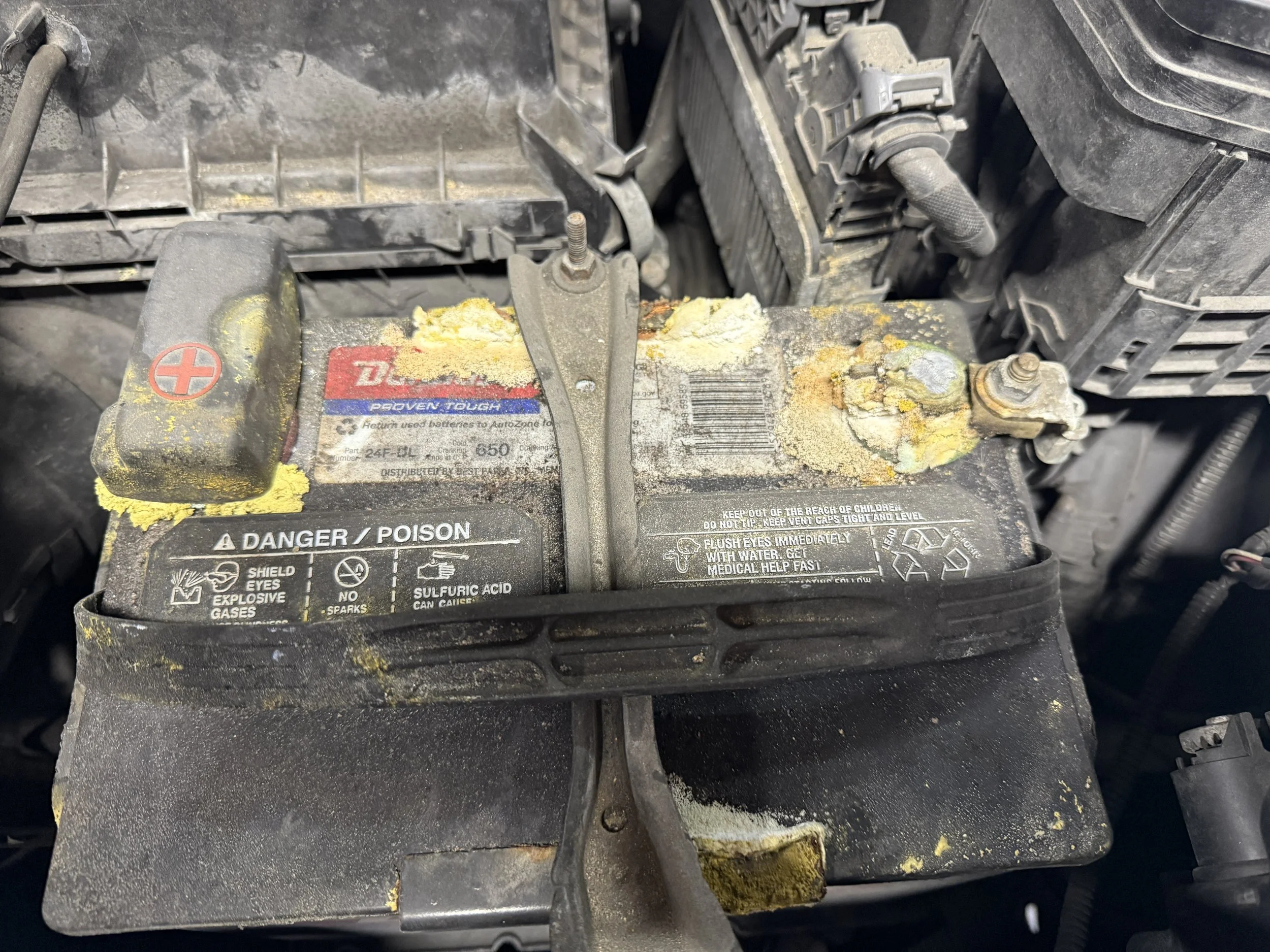
Corroded battery terminals
Damaged battery cables
Poor engine or chassis ground
Vehicle sitting for extended periods
Electrical component staying powered on
Interior or exterior lights remaining on
Faulty control module
Aftermarket accessory
Remote-start or alarm system
Faulty relay
Wiring problem
If a new battery repeatedly becomes discharged, replacing the battery again may only temporarily mask the underlying problem.
The electrical system should be tested to determine why the battery is losing its charge.
Parasitic Battery Drain Diagnosis
One of the more difficult electrical problems to diagnose is a parasitic draw.
A vehicle normally continues to use a small amount of electrical power after it is turned off. Computers, security systems, memory functions, and other modules may remain active before entering their normal sleep mode.
The problem occurs when something continues drawing excessive current after the vehicle should have gone to sleep.
Possible causes include:
Interior lights
Glove box or trunk lights
Aftermarket accessories
Remote starters
Alarm systems
Audio equipment
Faulty relays
Control modules
Door or hood switches
Infotainment systems
Charging accessories
Wiring faults
Diagnosing a parasitic draw may require monitoring the vehicle's electrical consumption over time and determining which circuit or component is responsible.
This can be more involved than simply checking battery voltage.
Alternator & Charging System Repair
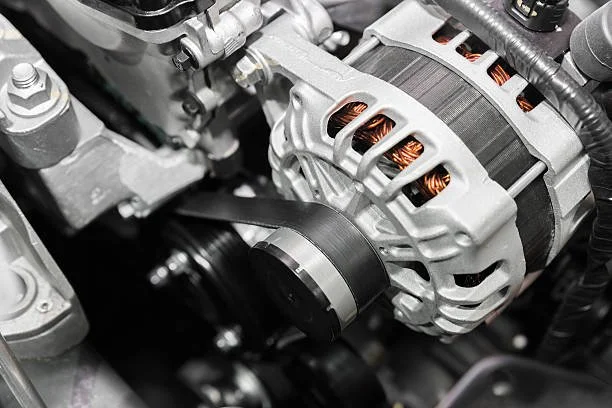
The alternator is responsible for generating electrical power while the engine is running and maintaining the battery's state of charge.
A charging problem can produce symptoms such as:
Battery warning light
Dim headlights
Slow electrical accessories
Repeated dead battery
Hard starting
Stalling
Electrical warning messages
Multiple warning lights
Low system voltage
Electrical components behaving erratically
However, a battery warning light does not automatically mean the alternator itself has failed.
Charging problems can also be caused by:
Wiring problems
Battery cables
Poor grounds
Charging-system control issues
Blown fuses
Damaged connectors
Belt problems
Voltage regulation issues
Battery problems
Testing the entire charging system helps determine the actual cause.
Starter & Starting System Diagnosis
When you turn the key or press the start button, several components have to work together.
The starting system can include:
Battery
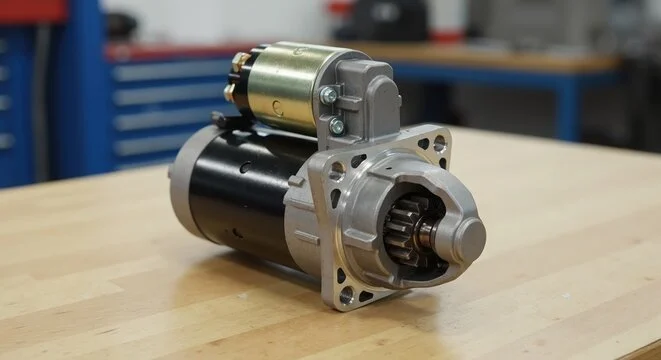
Starter motor
Starter solenoid
Starter relay
Ignition switch
Start/stop button
Neutral safety switch
Clutch switch
Engine control module
Body control module
Security/immobilizer system
Wiring
Grounds
A vehicle that doesn't start can have several different types of problems.
No crank
The engine doesn't turn over at all.
Possible causes include:
Weak battery
Poor battery connection
Failed starter
Starter relay
Ignition switch
Neutral safety switch
Clutch switch
Immobilizer/security system
Wiring problem
Computer/module communication issue
Cranks but doesn't start
If the engine turns over but won't run, the problem may not be the starter or battery.
Possible causes include:
Fuel delivery
Ignition
Engine timing
Crankshaft/camshaft sensors
Engine computer
Security system
Wiring
Sensor signals
Electrical power supply
Proper diagnosis is necessary to determine which system is actually preventing the engine from running.
Voltage-Drop Testing
One of the most useful tools in automotive electrical diagnosis is voltage-drop testing.
A circuit can show good voltage when measured with little or no load and still have excessive resistance when current is flowing.
Corrosion, loose connections, damaged cables, poor grounds, or internal cable damage can create resistance that prevents components from receiving the power they need.
Voltage-drop testing helps identify problems in:
Battery cables
Starter circuits
Ground circuits
Charging circuits
Power supplies
Electrical connectors
Wiring harnesses
This can be particularly useful when a vehicle has an intermittent or difficult-to-reproduce electrical problem.
Electrical Grounds Matter
Electrical current needs a complete path through the circuit.
In automotive systems, the vehicle's chassis and engine are commonly used as part of the electrical return path.
A poor ground connection can create symptoms that appear unrelated.
Possible symptoms include:
Slow cranking
Flickering lights
Electrical warning lights
Sensors producing incorrect readings
Modules losing communication
Intermittent starting problems
Multiple electrical faults
Components working intermittently
A ground problem can sometimes be mistaken for a failed computer or component.
Testing the circuit is more reliable than guessing based on symptoms alone.
Fuses & Relays
Fuses protect electrical circuits from excessive current.
If a fuse repeatedly blows, replacing it without determining why can result in the same failure occurring again.
A repeatedly blown fuse can indicate:
Shorted wiring
Failed component
Damaged harness
Water intrusion
Electrical overload
Internal component failure
Relays are electrically controlled switches that allow a relatively small control circuit to operate a larger electrical load.
A failed relay can affect systems such as:
Fuel pumps
A/C compressors
Starters
Headlights
Horns
Other vehicle accessories
Proper diagnosis determines whether the problem is actually the fuse or relay or whether another component is causing the circuit to fail.
Check Engine Light & Electrical Diagnostics
A check engine light does not automatically mean that a sensor needs to be replaced.
Diagnostic trouble codes are useful clues, but a trouble code generally identifies a system or condition that requires further testing.
For example, a sensor-related code can be caused by:
Failed sensor
Wiring problem
Poor electrical connection
Short circuit
Open circuit
Power supply problem
Ground problem
Mechanical problem
Another component affecting the system
Replacing parts based solely on a diagnostic trouble code can lead to unnecessary repairs.
Professional diagnosis involves looking at the code, system data, electrical signals, operating conditions, and related systems.
Modern Vehicle Computer & Module Diagnostics
Today's vehicles contain multiple computers that communicate with each other.
Depending on the vehicle, these may include:
Engine control module
Transmission control module
Body control module
ABS module
Airbag module
HVAC module
Instrument cluster
Power steering module
Door modules
Infotainment modules
Parking system modules
Advanced driver-assistance systems
These modules communicate through vehicle networks.
A fault in one module, wiring circuit, power supply, or communication network can sometimes cause multiple warning lights or unrelated symptoms.
Proper diagnostic equipment can help identify communication problems and determine whether the issue is related to a module, wiring, power supply, ground, or network.
CAN Bus & Communication Problems
Modern vehicles commonly use communication networks to allow multiple control modules to exchange information.
The Controller Area Network, commonly called CAN bus, is one of the communication systems used throughout modern vehicles.
When communication is interrupted, a vehicle may experience symptoms such as:
Multiple warning lights
No-start conditions
Intermittent electrical problems
Inoperative accessories
Communication fault codes
Modules disappearing from diagnostic scans
Erratic system operation
These problems can be difficult because the failed component isn't always the module reporting the code.
The wiring and communication network itself may need to be tested.
Common Electrical Warning Signs
Have your vehicle's electrical system inspected if you notice:
Battery warning light
Check engine light
ABS warning light
Airbag warning light
Multiple warning lights appearing at once
Dim or flickering headlights
Battery repeatedly going dead
Slow engine cranking
Clicking when attempting to start
No-crank condition
Intermittent no-start
Electrical accessories stopping unexpectedly
Power windows or locks not working
Blower motor problems
A/C electrical problems
Strange electrical noises
Burning electrical smell
Blown fuses
Vehicle losing power while driving
Electrical problems following rain or water intrusion
Professional Electrical Diagnostics in Tampa
Electrical problems require a systematic approach.
Rather than replacing parts based on symptoms alone, our technicians can evaluate the electrical system using appropriate diagnostic procedures and equipment.
Depending on the problem, diagnosis may include:
Battery testing
Determining the condition and starting capability of the battery.
Charging system testing
Checking alternator output and the vehicle's charging system.
Starting system testing
Determining whether the battery, starter, wiring, or control system is responsible for a starting problem.
Voltage-drop testing
Finding excessive resistance in power and ground circuits.
Parasitic draw testing
Identifying excessive electrical consumption while the vehicle is shut down.
Circuit testing
Checking power, ground, continuity, resistance, and circuit operation.
Scan-tool diagnostics
Reading diagnostic trouble codes and vehicle data from applicable control modules.
Network diagnostics
Investigating communication problems between vehicle modules.
Wiring inspection
Looking for damaged wiring, corrosion, loose connections, poor grounds, and other electrical faults.
Don't Replace Parts Until You Know Why They Failed
Electrical problems can become expensive when parts are replaced based on assumptions.
A dead battery doesn't automatically mean the battery is bad.
A battery warning light doesn't automatically mean the alternator needs to be replaced.
A check engine light doesn't automatically mean the sensor associated with the code has failed.
A no-start condition doesn't automatically mean the starter is bad.
Proper diagnosis helps separate the symptom from the actual cause.
Our goal is to determine what the vehicle is doing, why it is doing it, and what needs to be repaired before unnecessary parts are installed.
Frequently Asked Questions
-
A repeatedly dead battery can be caused by a weak battery, charging-system problem, parasitic electrical draw, poor connections, or another electrical fault. The entire system should be tested before replacing the battery again.
-
Symptoms can include a battery warning light, low charging voltage, dimming lights, repeated dead batteries, or electrical problems while driving. Testing the charging system is necessary to determine whether the alternator is actually failing.
-
A no-start condition can be caused by the battery, starter, charging system, ignition, fuel system, security system, wiring, sensors, computers, or other components. The first step is determining whether the engine is cranking.
-
Rapid clicking can indicate insufficient battery voltage or a poor electrical connection. A single click can also be related to the starter or starter circuit. Proper testing is needed to determine the cause.
-
An overnight dead battery can be caused by a weak battery or an excessive parasitic electrical draw. Interior lights, aftermarket accessories, control modules, relays, and wiring faults can all contribute.
-
A parasitic draw is electrical consumption that continues after the vehicle has been shut down and its systems should have entered their normal sleep state. A small amount of draw can be normal, but excessive draw can discharge the battery.
-
Yes. Poor ground connections can cause voltage drops, intermittent operation, starting problems, warning lights, sensor issues, and communication faults.
-
It can, depending on which circuit the fuse protects. A blown fuse may also be a symptom of another electrical problem, especially if the replacement fuse fails again.
-
Multiple warning lights can sometimes be caused by a low-voltage condition, charging-system problem, communication fault, or another issue affecting multiple vehicle systems. Diagnostic testing can help identify the underlying cause.
-
Some newer vehicles use battery-management systems that require the replacement battery to be registered or configured. Whether this is necessary depends on the vehicle.
-
Yes. Intermittent problems can require additional testing and inspection because the symptom may not be present when the vehicle is being diagnosed. Information about when and under what conditions the problem occurs can be extremely helpful.
-
Electrical diagnosis can include identifying damaged wiring, poor connections, corrosion, shorts, opens, and ground problems. The appropriate repair depends on the condition and location of the wiring fault.
-
A check engine light indicates that the vehicle's computer has detected a condition that requires attention. The stored diagnostic code provides a starting point for diagnosis but does not necessarily identify the failed part.
-
Yes. Problems with power supplies, grounds, charging systems, ignition, sensors, fuel-system controls, wiring, or vehicle modules can potentially cause stalling. The cause needs to be diagnosed based on the vehicle's specific symptoms and data.
Book an Appointment today!
Don’t let a weak battery, failing starter, or charging issue leave you stranded. If you’re experiencing slow starts, dim lights, or warning indicators on your dashboard, our team at DCAR is ready to help.
We provide fast, accurate diagnostics and dependable repairs to keep your vehicle starting strong and charging properly. Schedule your starting and charging system service today and drive with confidence knowing your vehicle is in expert hands.
Book your appointment now and stay powered up.