
Wheels & Tires in Tampa, FL
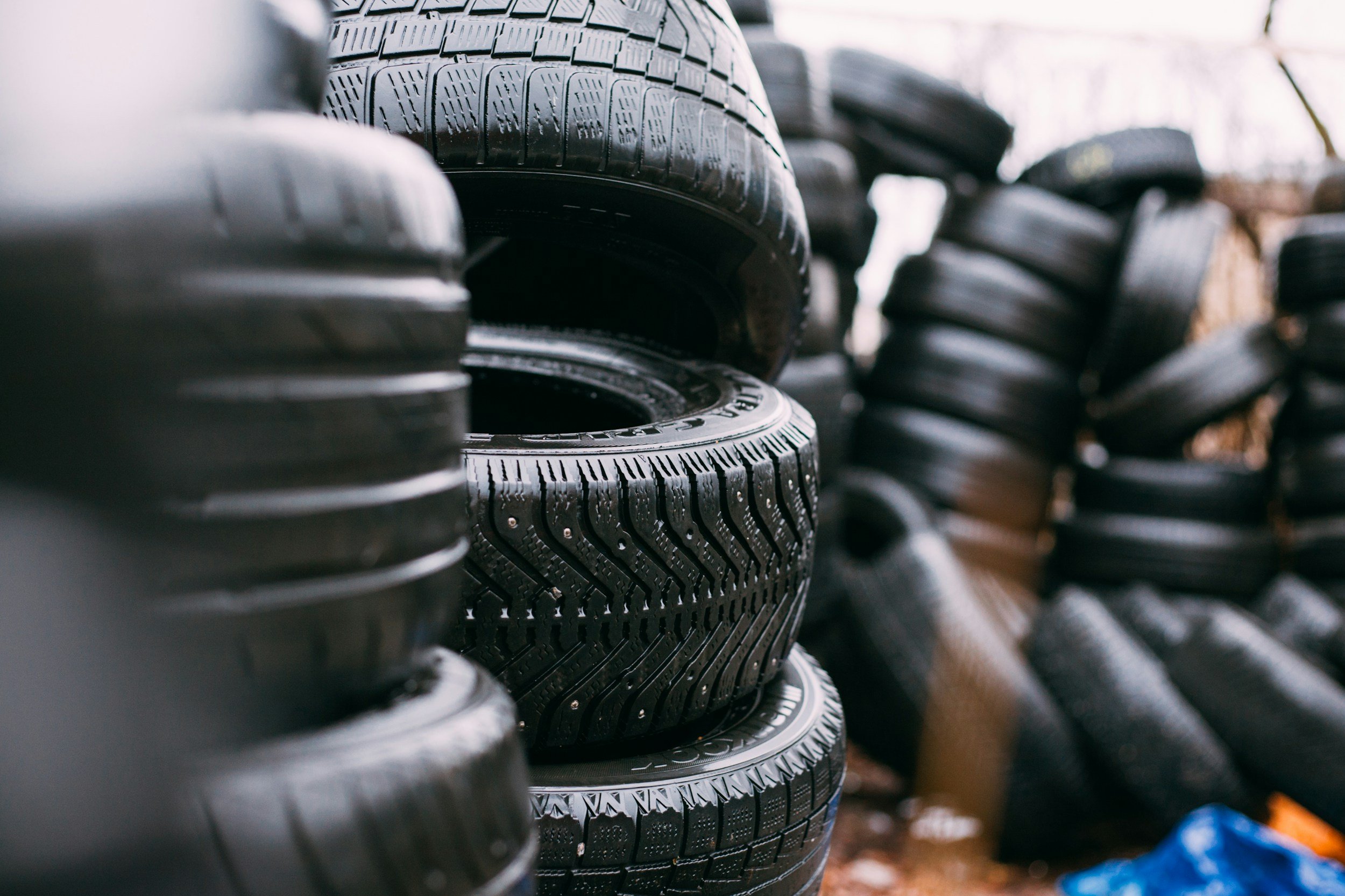
Tires, Wheels & Professional Fitment
The right tires and wheels can make a significant difference in how your vehicle looks, rides, handles, and performs. Whether you need a dependable set of tires for your daily driver, a more aggressive setup for your truck or SUV, or a complete custom wheel and tire package, choosing the right combination involves more than simply matching a tire size.
We provide wheel and tire sales and installation for cars, trucks, SUVs, performance vehicles, and custom applications throughout Tampa and the surrounding area. From everyday replacement tires to larger wheels, low-profile tires, truck setups, and custom combinations, we can help you choose a setup that fits your vehicle and your driving needs.
Our goal is to make the process straightforward—from selecting the right products to mounting, balancing, installing, and checking everything before you leave.
Complete Wheel & Tire Services
Our wheel and tire services include:
New tire sales
Tire replacement
Tire installation
Tire mounting
Computerized wheel balancing
Tire rotation
Flat tire repair
Tire puncture inspection
Slow-leak diagnosis
Tire pressure checks
TPMS inspection and service
Wheel installation
Custom wheel and tire packages
Aftermarket wheel fitment
Performance tire installation
Truck and SUV tire setups
Plus-size wheel and tire packages
Low-profile tire installation
Tire and wheel fitment consultation
Wheel and tire inspection
Tire replacement recommendations
Choosing the Right Tires for Your Vehicle
Not every tire is designed for the same type of driving.
A tire that works well for a commuter sedan may not be the right choice for a lifted truck. Likewise, a high-performance tire may provide excellent handling but may not be the best option for someone primarily concerned with tread life and ride comfort.
When selecting tires, we consider factors such as:
Vehicle type
Tire size
Load requirements
Speed rating
Driving habits
Annual mileage
Ride comfort
Wet-weather performance
Tread life
Handling
Road noise
Budget
Intended use
The goal isn't simply to sell you a tire. It's to help you find a tire that makes sense for how you actually use your vehicle.
Tire Replacement in Tampa
Tires are among the most important safety components on your vehicle because they provide the primary contact between your vehicle and the road.
Tread depth is only one part of determining whether a tire should be replaced. We also look for:
Uneven tread wear
Shoulder wear
Cupping
Cracking
Bulges
Sidewall damage
Punctures
Irregular wear patterns
Age-related deterioration
Low tread depth
Improper inflation
A tire may have usable tread and still have a problem that requires attention.
If you aren't sure whether your tires need to be replaced, we can inspect them and explain what we're seeing so you can make an informed decision.
Tire Mounting & Installation
Installing a new set of tires involves more than removing the old tires and putting new ones on the vehicle.
Proper installation includes mounting the tire onto the wheel, seating the bead correctly, inflating the tire to the appropriate pressure, and balancing the wheel and tire assembly.
Proper installation helps reduce the possibility of:
Vibration
Uneven wear
Bead-sealing problems
Tire pressure loss
Steering-wheel shake
Premature tire wear
After installation, the tires should be checked for proper inflation and the wheel and tire assemblies should be inspected before the vehicle leaves the shop.
Wheel & Tire Balancing
A wheel and tire assembly that isn't properly balanced can create vibration as vehicle speed increases.
Common symptoms of an imbalance can include:
Steering-wheel vibration
Seat or floor vibration
Vibration at highway speeds
Uneven tire wear
A noticeable shake that changes with vehicle speed
Balancing involves measuring the wheel and tire assembly and adding the appropriate correction where needed.
If a vehicle continues to vibrate after balancing, the cause may be something other than balance. Tire condition, wheel damage, suspension components, alignment, or other issues may need to be inspected.
Custom Wheels & Tire Packages
If you're looking to change the appearance or stance of your vehicle, the wheel and tire combination needs to be considered as a complete package.
Wheel diameter is only one part of fitment.
Other important measurements can include:
Wheel width
Offset
Backspacing
Bolt pattern
Center bore
Tire width
Tire diameter
Sidewall height
Load rating
Brake clearance
Fender clearance
Suspension clearance
Choosing an incorrect combination can result in rubbing, clearance problems, altered handling, premature wear, or other issues.
We can help evaluate wheel and tire combinations before installation so you have a better idea of how a setup will fit and perform on your vehicle.
Truck, SUV & Off-Road Tires
Trucks and SUVs often require a different approach to tire selection than passenger cars.
Depending on how the vehicle is used, you may be looking for:
All-terrain tires
Highway tires
Mud-terrain tires
Performance truck tires
Larger-diameter tires
Higher load ratings
Improved towing capability
Better off-road traction
A more aggressive appearance
A tire that looks great on a truck isn't necessarily the best tire for the way that truck is driven.
We can help match the tire to your vehicle, wheel setup, and intended use.
Performance & Low-Profile Tires
Performance vehicles and vehicles equipped with larger wheels often use low-profile tires with shorter sidewalls.
These tires can provide sharper handling and a more responsive feel, but they can also require additional care.
The shorter sidewall provides less protection against potholes, curbs, and road impacts. Wheel diameter, tire width, load rating, and clearance also become increasingly important as wheel sizes increase.
Proper mounting equipment and careful handling are especially important when working with larger wheels and low-profile tires.
Tire Repair & Flat Tire Service
Not every damaged tire needs to be replaced.
When you have a puncture, the tire should first be inspected to determine whether it can be safely repaired.
Factors that can affect whether a tire is repairable include:
Location of the puncture
Size of the puncture
Condition of the tire
Existing damage
Tread depth
Previous repairs
Whether the tire was driven while severely underinflated
Damage in certain areas of the tire, particularly the sidewall, may make repair unsafe.
Our technicians can inspect the tire and explain whether repair or replacement is the better option.
Tire Pressure & TPMS
Maintaining the correct tire pressure is important for handling, braking, fuel economy, and tire life.
Your vehicle's recommended tire pressure is generally based on the vehicle manufacturer's specifications rather than the maximum pressure printed on the tire itself.
Modern vehicles may also use a Tire Pressure Monitoring System, commonly called TPMS, to monitor tire pressure.
A TPMS warning light can be triggered by:
Low tire pressure
A leaking tire
Temperature-related pressure changes
A failed TPMS sensor
Sensor communication problems
A damaged sensor
A system malfunction
If your TPMS warning light remains illuminated, the tires and monitoring system should be checked rather than simply resetting the warning.
Uneven Tire Wear
The way a tire wears can provide valuable information about the condition of the vehicle.
Different wear patterns can point toward different problems.
Wear on the inside or outside edge
This can be associated with alignment angles, suspension components, tire pressure, or other issues.
Center tread wear
This can occur when tires are consistently overinflated.
Both outer edges wearing
This can be associated with underinflation.
Cupping or scalloped wear
This can be related to wheel balance, suspension components, tire condition, or other factors.
One tire wearing significantly faster than the others
This may indicate an alignment, suspension, tire, or other vehicle-related issue.
Replacing the tire without addressing the reason it wore prematurely can result in the new tire developing the same problem.
Wheels, Tires & Alignment
Wheel and tire problems can sometimes overlap with steering and suspension problems.
For example, uneven tire wear may be caused by an alignment issue, while a vibration may be related to a tire, wheel, suspension component, or balance problem.
That's why wheel and tire concerns sometimes require looking beyond the tire itself.
If necessary, we can inspect related steering and suspension components and determine whether an alignment or additional repair should be considered.
Tire Size & Fitment
Changing tire size can affect more than appearance.
A different tire diameter can potentially affect:
Speedometer accuracy
Odometer readings
Ground clearance
Handling
Braking characteristics
Gear ratio
Transmission behavior
Fuel economy
Fender clearance
Suspension clearance
Driver-assistance systems
When changing from the original tire size, the overall combination of wheel diameter, tire width, sidewall height, and diameter should be considered.
For custom applications, proper fitment is especially important.
How Long Should Tires Last?
There isn't one mileage number that applies to every tire.
Tire life can vary depending on:
Tire compound
Tire design
Vehicle weight
Driving style
Alignment
Tire pressure
Road conditions
Climate
Vehicle suspension
Rotation frequency
Annual mileage
A vehicle driven primarily on the highway may wear tires differently from one used for short trips, towing, performance driving, or heavy city traffic.
Regular tire inspections can help identify abnormal wear before it becomes a larger problem.
Tampa's Roads & Your Tires
Tampa drivers deal with year-round heat, heavy rain, changing road conditions, traffic, construction zones, and the occasional pothole. Those conditions can put additional demands on tires and wheels.
High temperatures can affect tire pressure, while potholes and road impacts can damage wheels or create tire problems.
Regularly checking tire pressure, tread condition, and overall tire health is especially important in Florida's climate.
If your vehicle develops a vibration, pulls to one side, loses tire pressure, or begins wearing tires unevenly, having it inspected can help prevent a small problem from becoming a larger one.
Professional Wheel & Tire Service in Tampa
Whether you're replacing worn tires, repairing a puncture, upgrading your wheels, or building a completely new wheel and tire combination, proper fitment and installation matter.
We work with a wide range of tire and wheel applications and can help with everything from everyday replacement tires to custom setups for trucks, SUVs, performance vehicles, and other specialized applications.
Our goal is to provide the right combination of fitment, safety, performance, appearance, and value for your vehicle.
Serving drivers throughout Tampa and the surrounding area.
When Should You Have Your Tires Inspected?
Consider having your tires checked if you notice:
Low tire pressure
A TPMS warning light
Uneven tread wear
Steering-wheel vibration
Vehicle pulling
Tire noise
A slow leak
A nail or other puncture
Sidewall damage
Cracking
Bulges
Reduced wet-weather traction
Excessive tread wear
A vibration after installing new tires
A vehicle that recently hit a pothole or curb
Early inspection can help identify tire, wheel, alignment, or suspension problems before they cause additional damage.
Frequently Asked Questions
-
The correct tire depends on your vehicle's size, weight, specifications, driving conditions, and intended use. We can help compare options based on factors such as tread life, wet-weather performance, comfort, handling, and budget.
-
Tire rotation intervals vary by vehicle and tire manufacturer. Following the recommended rotation schedule can help promote more even tread wear and maximize tire life.
-
Some punctures can be safely repaired if the damage is within the repairable portion of the tread and the tire is otherwise in good condition. Sidewall and certain shoulder-area damage may require tire replacement.
-
A slow leak can result from a puncture, damaged valve stem, TPMS sensor seal, wheel corrosion, bead-sealing problem, or other issue. Finding the source of the leak is important before simply adding air repeatedly.
-
A vibration after tire installation can be related to wheel balance, tire uniformity, wheel damage, incorrect fitment, or another vehicle issue. The wheel and tire assemblies should be inspected and balanced as necessary.
-
They can. Increasing wheel diameter generally means using a shorter tire sidewall to maintain a similar overall tire diameter. A shorter sidewall can change ride characteristics and may provide less protection against road impacts.
-
Possibly, but proper fitment needs to be considered. Larger tires can create clearance issues with the suspension, fenders, wheel wells, or other components. Lift height, wheel offset, tire width, and overall diameter all matter.
-
Wheel offset describes where the wheel's mounting surface sits relative to the wheel's centerline. Changing offset changes how far the wheel sits inward or outward and can affect suspension and fender clearance.
-
Yes. We can help with wheel and tire combinations ranging from practical replacement setups to custom applications for trucks, SUVs, performance vehicles, and other vehicles.
-
Yes. Changing the overall diameter of the tire can affect the relationship between wheel speed and vehicle speed. Significant changes in tire diameter should be considered carefully.
-
Uneven wear can be caused by incorrect tire pressure, alignment problems, worn suspension components, wheel balance, tire issues, or other vehicle conditions. Identifying the cause is important before replacing the tires.
-
Absolutely! TPMS problems can involve the sensor, valve assembly, tire pressure, or the vehicle's monitoring system. We can inspect the system when a TPMS warning light is present, and diagnose the cause of the warning.
-
We offer a wide selection of tire brands and can help you compare options based on your vehicle, driving habits, performance requirements, and budget. If you have a specific tire brand or model in mind, contact us and we'll help determine availability and the best fit for your vehicle.
Wheels & Tires in Tampa, FL
From everyday tire replacement to custom wheel and tire packages, we provide professional wheel and tire service for drivers throughout Tampa and the surrounding area.
If you need new tires, have a tire that won't hold air, are experiencing a vibration, or are ready to change the look and performance of your vehicle, we're here to help.
Call (813) 500-7200 or book your appointment online.