Preventative Maintenance in Tampa, FL
Preventive maintenance can help catch developing problems before they become expensive repairs or, worse, leave you stuck on the side of the road. From routine oil changes and fluid services to scheduled maintenance, inspections, filters, belts, and other wear items, preventative service helps keep your vehicle dependable and performing the way it should. We provide maintenance services for cars, trucks, and SUVs throughout Tampa and the surrounding area, with recommendations based on your vehicle's age, mileage, condition, and manufacturer requirements.
Routine Vehicle Maintenance
Keeping up with routine maintenance is one of the simplest ways to protect your vehicle over the long term. Regular service can help identify worn components, fluid leaks, developing electrical problems, and other issues before they leave you stranded or turn into larger repairs.
Depending on the vehicle and mileage, routine maintenance may include:
Engine oil and filter changes
Fluid inspections and services
Air and cabin filter replacement
Tire inspections and rotations
Brake inspections
Battery and charging system checks
Belts and hoses
Wiper blades
Lights and safety equipment
Manufacturer-recommended maintenance
Not every vehicle needs the same services at the same intervals. We can help determine what your vehicle actually needs based on its maintenance schedule and current condition.
Factory Scheduled Maintenance
Following your vehicle's recommended maintenance schedule can help prevent small maintenance items from being overlooked as mileage increases. Manufacturer schedules may include specific services at different mileage intervals, such as inspections, fluid replacements, filter changes, spark plugs, belts, and other components.
Whether your vehicle is approaching a major mileage interval or you simply aren't sure what is due next, we can help review the maintenance requirements and determine which services are appropriate.
Oil Changes & Fluid Services
Engine oil protects internal engine components by lubricating moving parts and helping manage heat and contaminants. Over time, oil becomes contaminated and its protective properties can deteriorate.
Regular oil and filter changes are an important part of maintaining engine reliability.
Other vehicle fluids may also require periodic inspection or replacement, including:
Coolant
Power steering fluid
Other manufacturer-specified fluids
The correct fluid and service interval depend on the vehicle. Following the manufacturer's specifications is important when servicing modern vehicles.
Brake Maintenance & Inspections
Brake components gradually wear through normal use, making regular inspections important even when the vehicle appears to be operating normally.
During a brake inspection, components such as pads, rotors, calipers, brake lines, and other parts of the braking system can be evaluated for wear or damage.
Tire & Wheel Maintenance
Your tires play a critical role in braking, handling, and road safety. Regular tire inspections can identify problems such as uneven wear, low tread depth, improper inflation, punctures, and other damage.
Routine tire maintenance may include:
Tire pressure checks
Tire rotation
Tread inspection
Tire condition inspection
Wheel and tire balancing
TPMS inspection
Alignment-related wear checks
Uneven tire wear can sometimes indicate an underlying alignment, steering, or suspension problem, so replacing the tire without addressing the cause may not solve the problem.
Battery & Starting System Maintenance
A vehicle's battery and charging system should be able to provide reliable power every time you turn the key or press the start button. Battery performance can decline over time, particularly in hot climates.
Routine inspections can help identify:
Weak batteries
Charging problems
Corroded connections
Poor grounds
Starting-system issues
Abnormal battery drain
If a battery repeatedly goes dead, replacing the battery may not solve the underlying problem. The charging and electrical systems may also need to be tested.
Cooling System Maintenance
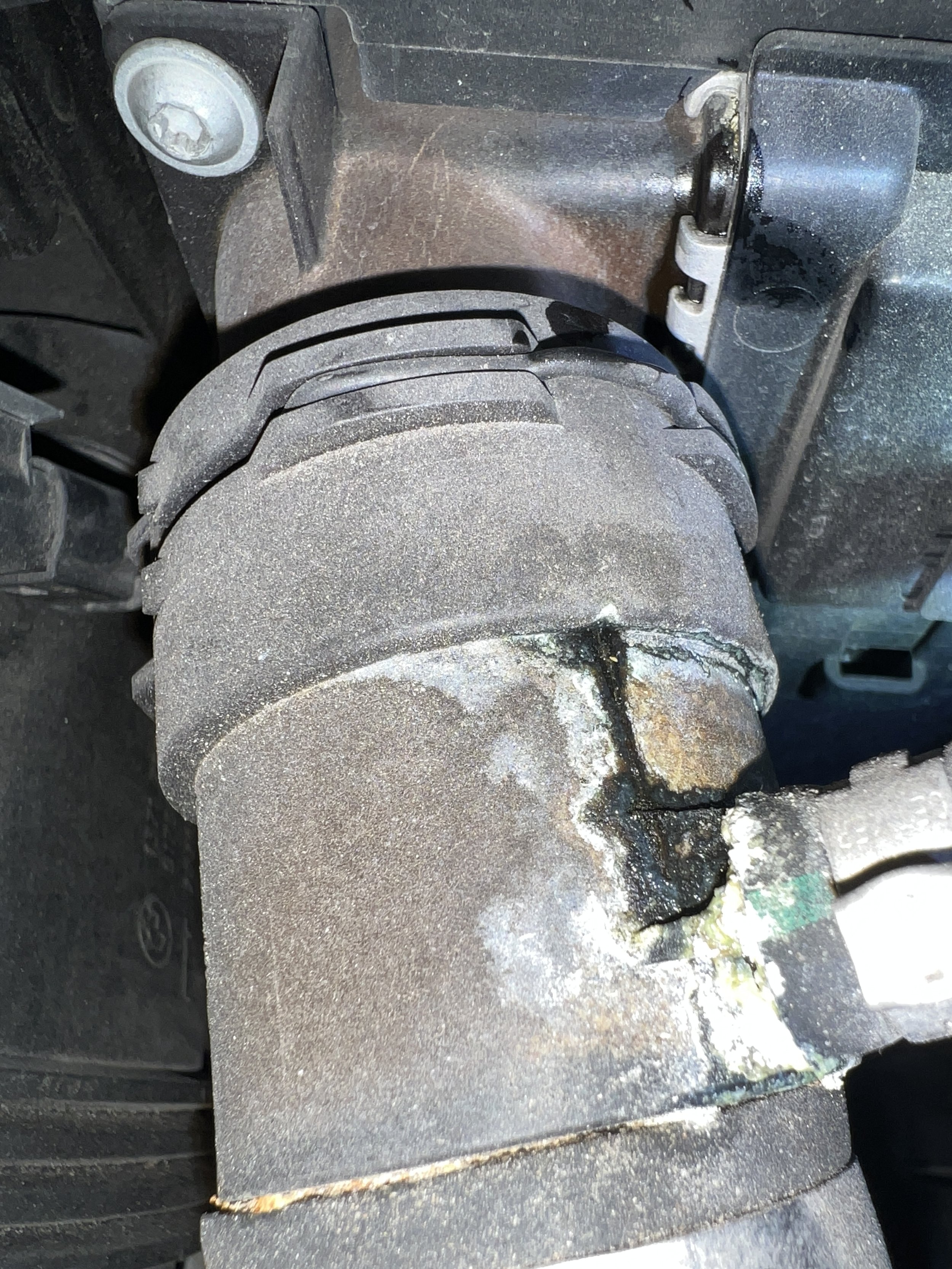
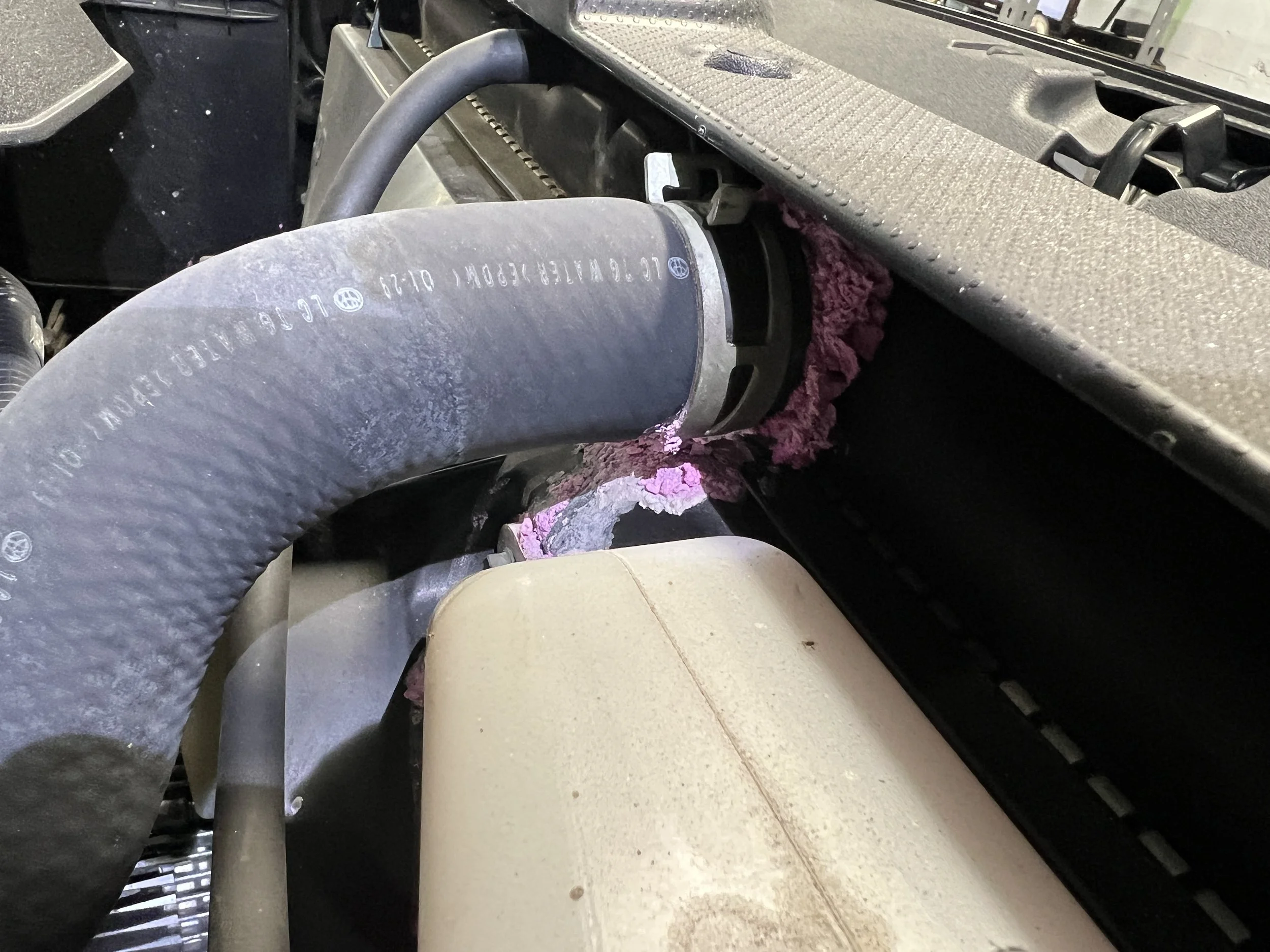
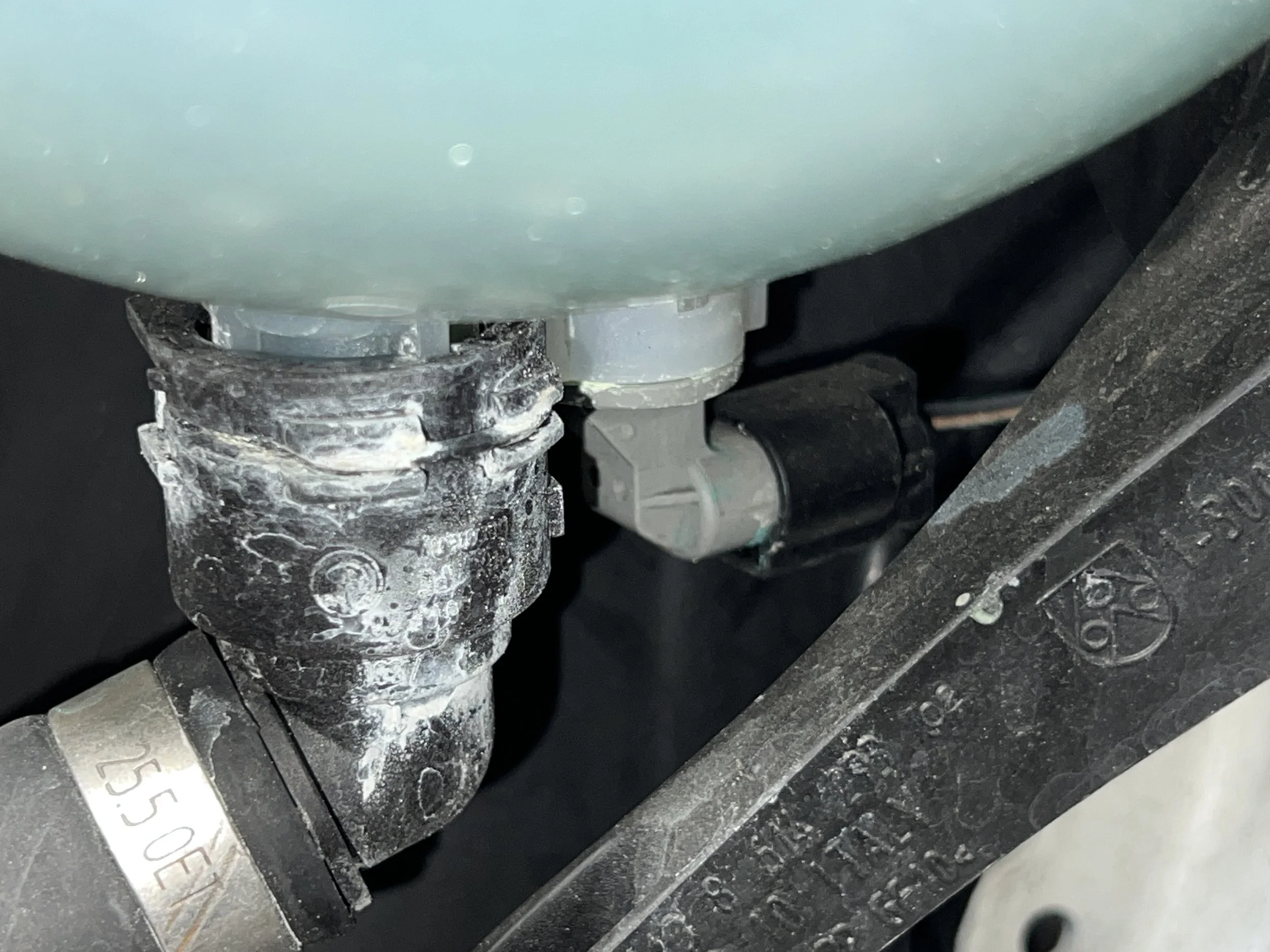
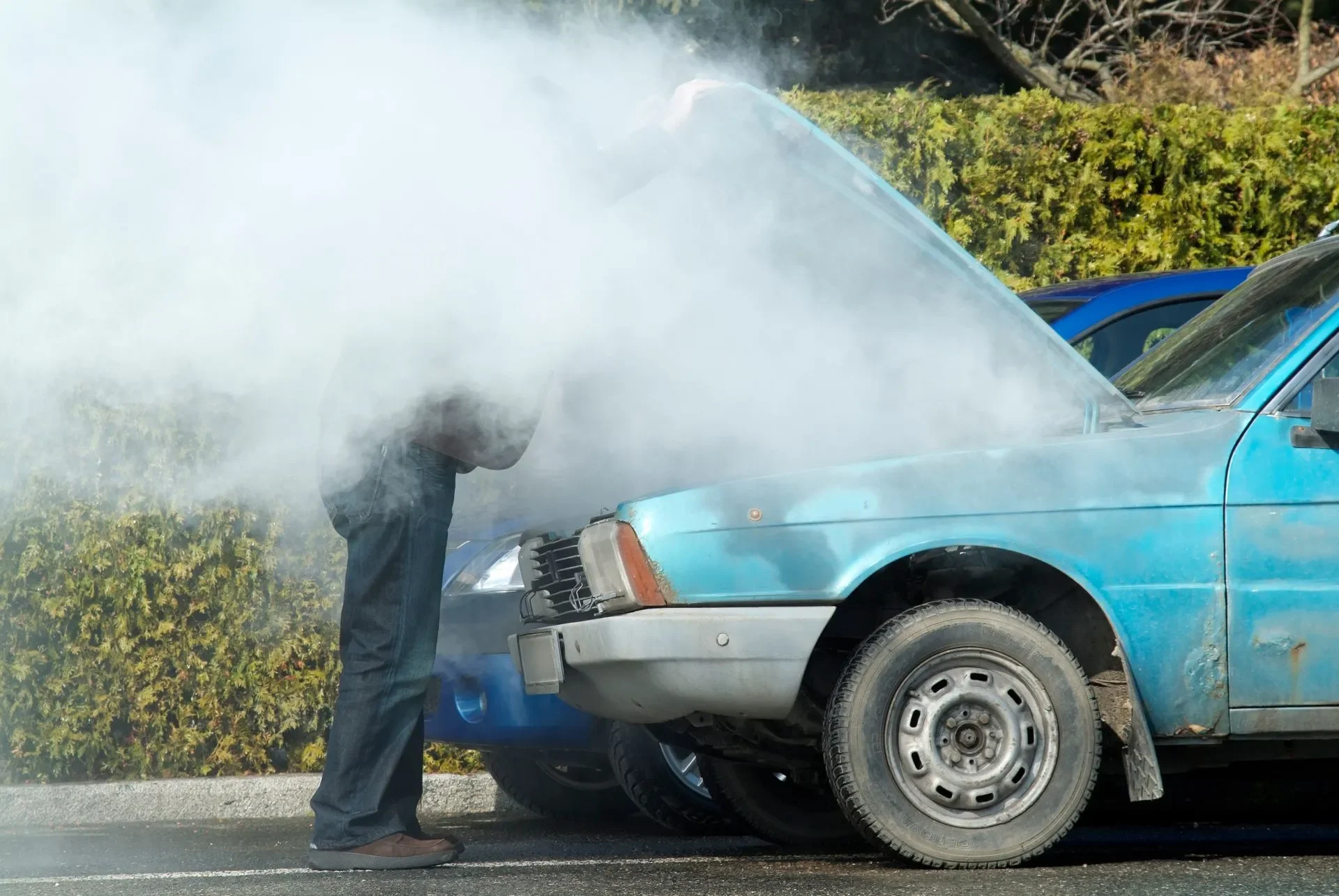
Your engine depends on its cooling system to control operating temperature. Coolant levels, hoses, the radiator, thermostat, water pump, cooling fans, and other components all play a role in keeping engine temperatures under control.
Regular inspection can help identify coolant leaks, deteriorated hoses, low coolant levels, overheating concerns, and other developing problems.
Addressing cooling-system problems early can help prevent more serious engine damage.
Belts, Hoses & Wear Components
Belts and hoses can deteriorate with age and mileage even when they appear to be functioning normally.
Depending on the vehicle, maintenance inspections may include checking:
Serpentine belts
Timing belts
Coolant hoses
Vacuum hoses
Drive belts
Tensioners
Pulleys
Replacing a worn component at the appropriate interval can be far less disruptive than dealing with a failure while you're on the road.
Filters & Spark Plugs
Filters and spark plugs are common maintenance items that can affect vehicle performance, efficiency, and reliability.
Depending on the vehicle, routine maintenance may include:
Engine air filters
Fuel filters
Other manufacturer-specified filters
A dirty engine air filter can restrict airflow, while an overdue cabin filter can reduce HVAC airflow and contribute to poor interior air quality.
Spark plugs also wear over time and can contribute to misfires, rough running, reduced performance, or difficult starting when they reach the end of their service life.
Preventative Maintenance for High-Mileage Vehicles
As vehicles accumulate mileage, maintenance becomes increasingly important. Components that rarely require attention on a newer vehicle can eventually become wear items.
High-mileage maintenance may involve closer inspection of:
Suspension components
Steering components
Brakes
Cooling systems
Belts and hoses
Engine leaks
Transmission and drivetrain components
Electrical systems
Battery and charging systems
Tires and alignment
The right maintenance plan depends on the vehicle and its history. A vehicle with complete maintenance records may require a different approach than one with an unknown service history.
Tampa Driving & Vehicle Maintenance
Driving conditions can influence how quickly certain maintenance items wear. Tampa-area drivers deal with high temperatures, heavy rain, traffic, short trips, highway driving, and seasonal changes in driving conditions.
Heat can be particularly demanding on batteries, cooling systems, tires, A/C systems, and other vehicle components.
Regular inspections and maintenance can help identify problems before they become unexpected breakdowns.
Pre-Trip Vehicle Inspection
Planning a long road trip? A pre-trip inspection can provide peace of mind before putting hundreds or thousands of miles on your vehicle.
A typical inspection may include checking:
Fluid levels
Belts and hoses
Lights
Wipers
Cooling system
Warning lights
Finding a worn tire, weak battery, fluid leak, or brake problem before a trip is much easier than discovering it on the side of the road.
When Should You Schedule Maintenance?
Don't wait for a warning light or breakdown before thinking about maintenance.
You may want to schedule an inspection or maintenance service if:
Your vehicle has reached a recommended mileage interval
You're unsure when the last service was performed
You're buying a used vehicle
Your vehicle has been sitting for an extended period
You're preparing for a road trip
You notice unusual noises or vibrations
Fluid levels are changing
Warning lights have appeared
Your vehicle is approaching a major maintenance milestone
Regular maintenance isn't about replacing parts that don't need replacing. It's about monitoring the condition of the vehicle and addressing legitimate maintenance needs at the appropriate time.
Preventative Maintenance for Cars, Trucks & SUVs
Maintenance requirements vary significantly between vehicles. A compact commuter car, heavy-duty truck, luxury SUV, and performance vehicle can all have very different service requirements.
We work with a wide range of vehicles and can help determine what maintenance is appropriate based on your vehicle's mileage, age, service history, and how it is used.
Whether you're looking for routine maintenance or trying to catch up on overdue services, we can help you prioritize what needs attention now and what can wait.
Frequently Asked Questions
-
Maintenance intervals vary by vehicle, mileage, driving conditions, and manufacturer recommendations. Your owner's manual is the best starting point, but the vehicle's current condition and service history should also be considered.
-
That depends on the vehicle's age, mileage, manufacturer requirements, and previous maintenance. We can help identify services that are due and prioritize repairs or maintenance based on their importance.
-
Regular maintenance can help identify worn components and developing problems before they result in breakdowns or more expensive repairs. It also helps keep the vehicle operating reliably over time.
-
Tires, brakes, fluids, battery, lights, wipers, belts, hoses, cooling system, and steering and suspension components are all worth checking before a long trip.
-
Yes. You should always abide by your manufacturer's recommended maintenance schedule at the latest. However, certain services may benefit from being performed more frequently depending on your vehicle, driving conditions, and how it is used. For example, changing your engine oil and filter before the manufacturer's maximum recommended interval can provide additional protection and help maintain engine performance over time. Your owner's manual provides the baseline for required maintenance, while your vehicle's actual driving conditions and service history can help determine whether more frequent service is appropriate.
-
High-mileage vehicles may require more frequent inspections of wear items and components such as belts, hoses, suspension, steering, cooling systems, brakes, and drivetrain components. The appropriate maintenance depends on the vehicle and its history.
Professional Preventative Maintenance in Tampa, FL
Keeping up with routine maintenance can help extend the life of your vehicle, improve reliability, and catch developing problems before they become major repairs. From oil changes and factory-scheduled services to inspections and high-mileage maintenance, we can help you stay ahead of your vehicle's needs.
Serving drivers throughout Tampa and the surrounding area.